
Small-town girl
My new life, six weeks in.

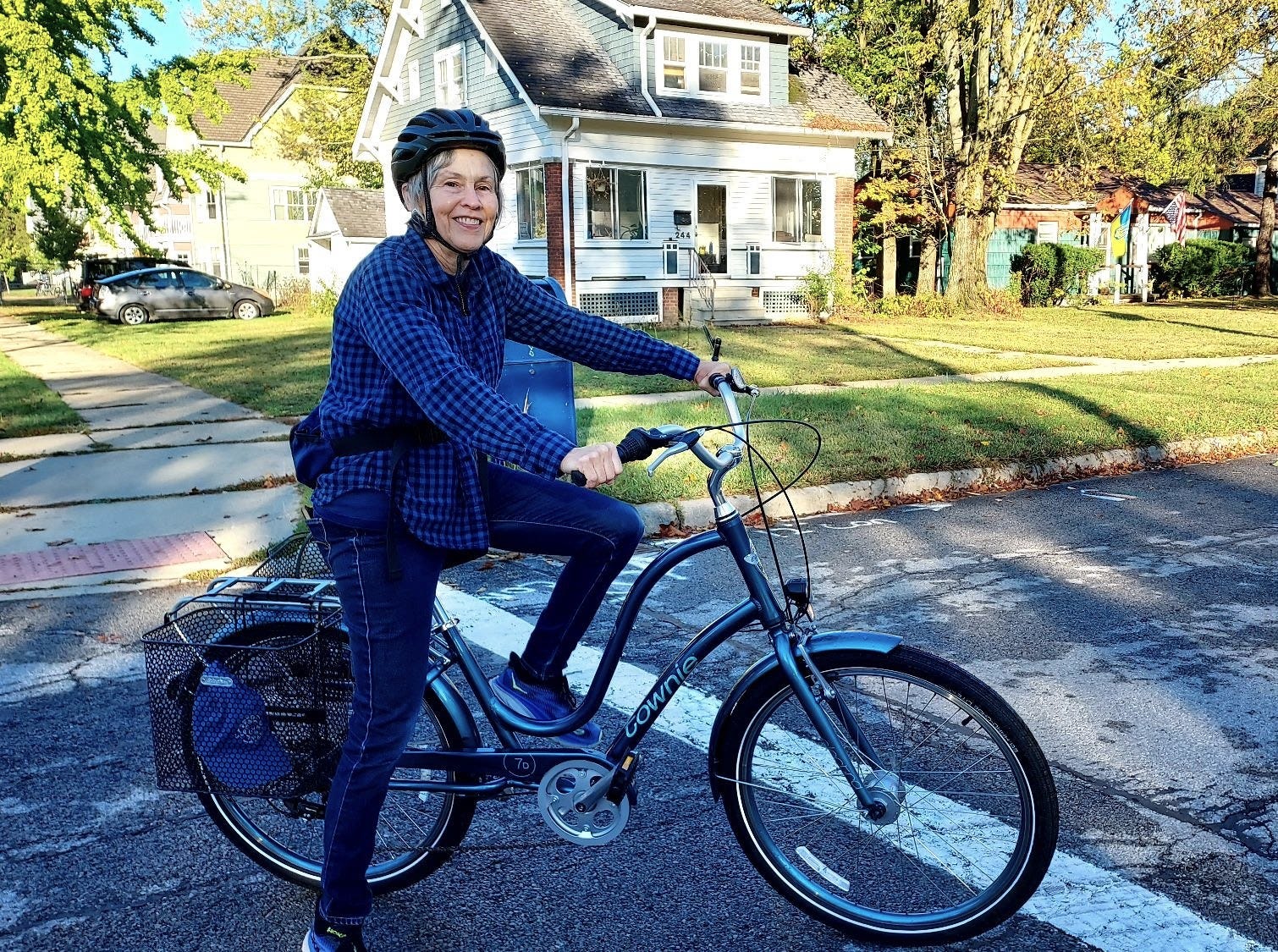
Today marks six weeks since Bill and I landed in the Ohio college town that – to preserve a modicum of privacy for ourselves and our new neighbors – I will call My Town.
The move went about as well as it possibly could have. Even the weather cooperated. Northeast Ohio weather famously stinks, but we arrived to a long stretch of glorious fall days. (Check back with me in December.)
In 1987 I visited Cuba to write an article for a journal. I spoke with government allies and critics, but one person’s comment stuck with me. “People come here for two weeks and then go home and write a book about Cuba,” he said. “Others stay two years, and they write a very different book. Still others come and stay for a lifetime. And they find they can’t write a book at all.”
This post will be of the two-week variety. I’m still an outsider looking in. It’s true that My Town is familiar: my father was in a retirement community here for 18 years, and we visited him often. But living here is different. In six months or a year I may have a better idea of what makes this place tick. Even then, my perceptions will differ from those of people who’ve spent their lives here.
So much space
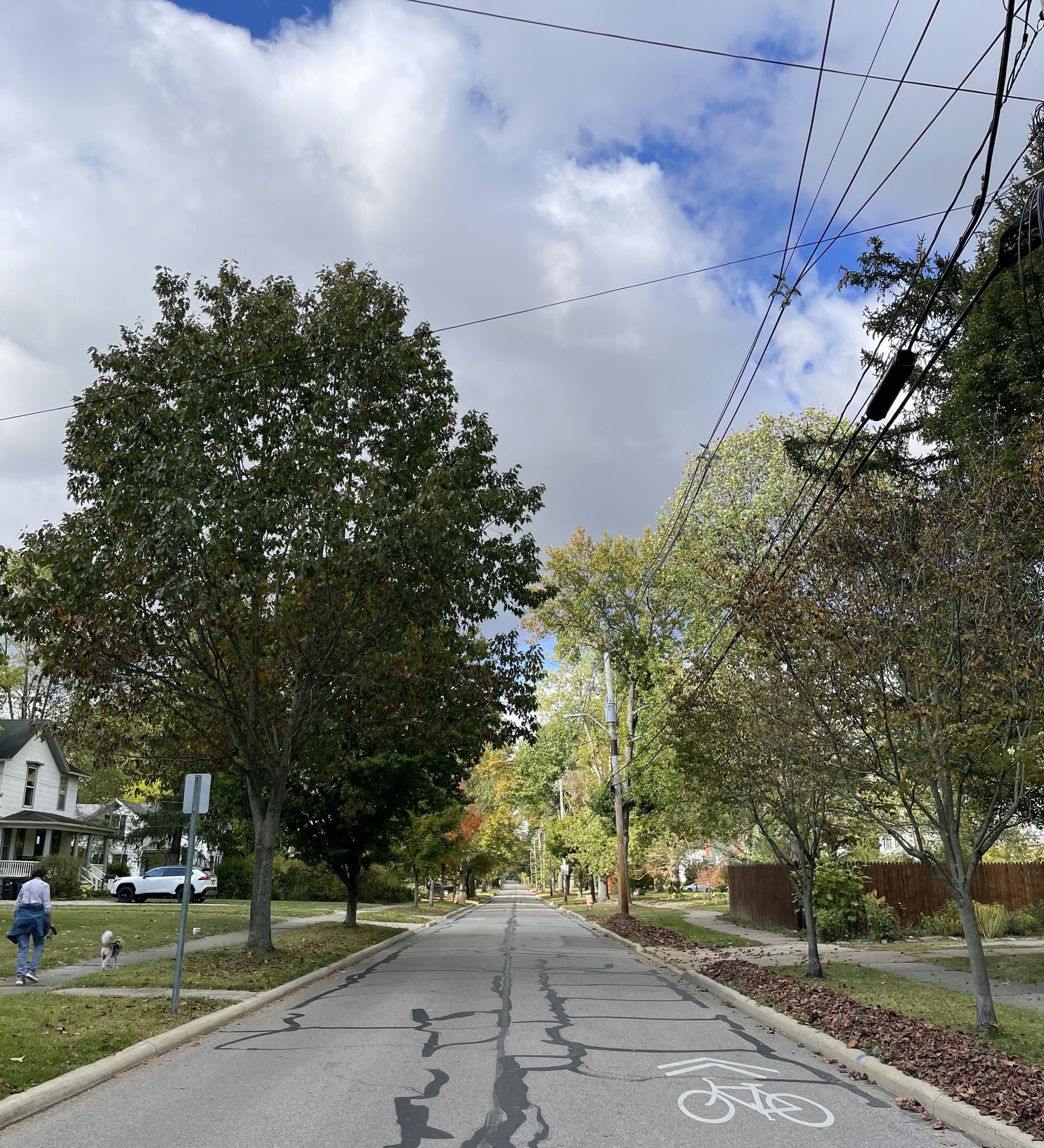
One reason for the move was to enjoy cleaner air, less traffic, and more green space than we had in DC. I’ve not been disappointed. In fact I am thrilled.
My Town is small, about 8,000 people in five square miles. Most businesses cluster along a five-block stretch of Main Street. Everything is close to everything else. You can walk from here to there.
Days after arriving I bought a bike, a sturdy, easy-on, easy-off model that promises to be age-friendly. I ride every day, running errands or exploring quiet neighborhoods. I feel my legs and lungs getting stronger. Having long ago given up on biking in DC traffic – a blood sport I’ll leave to Gen Z – I’d forgotten the joy of ditching the car and biking where you want to go.
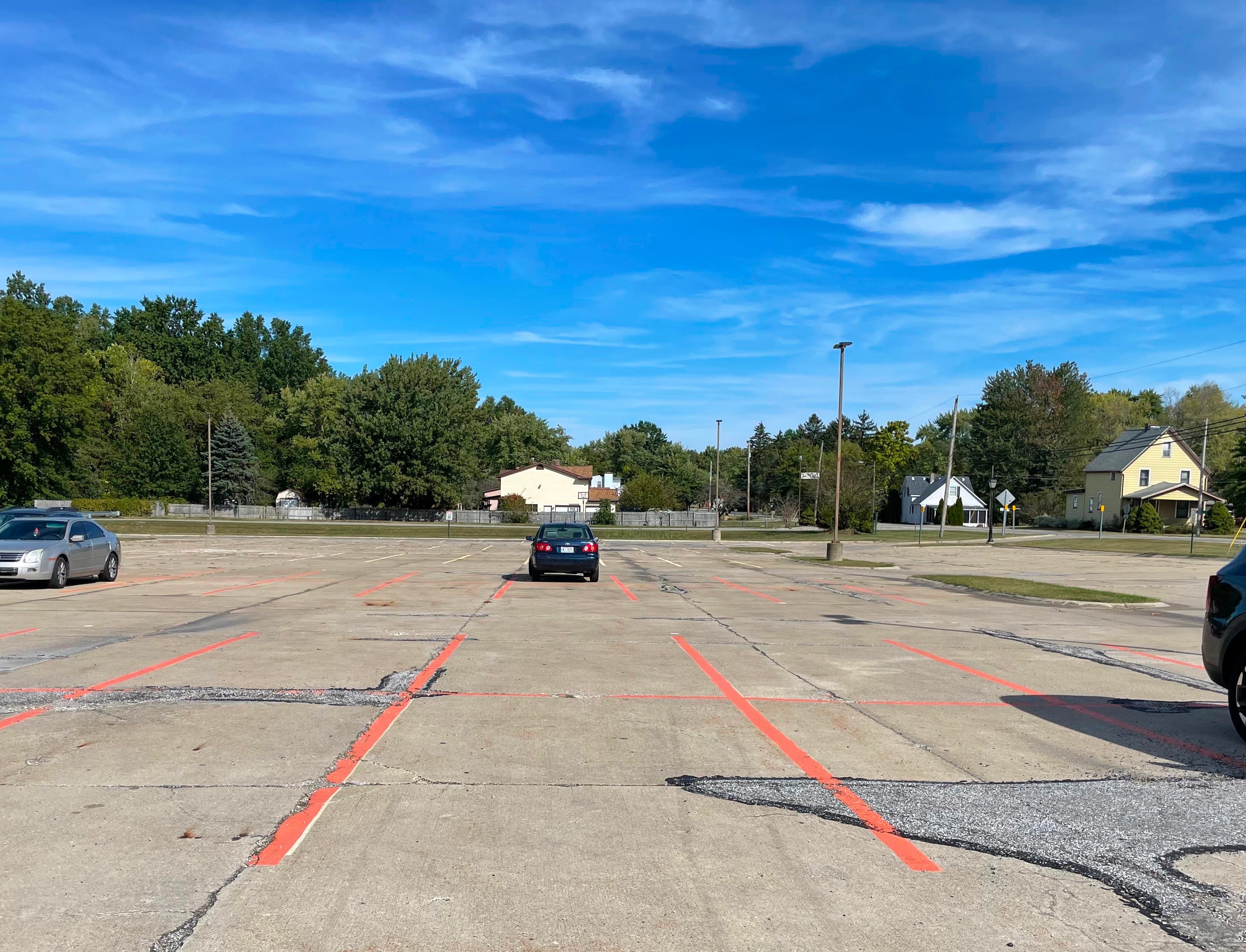
Some trips still require driving, but traffic is light. Then there’s parking, which has become a running joke between Bill and me. DC’s parking tribulations are but a memory. We already expect to drive up to a store or restaurant or office and park at the front door.
You might imagine that small-town charm has its downsides, and you’d be right. Public transportation is just about nil. There’s a free “e-bus” that makes a loop around town, but only on weekdays; it hits each stop once per hour, so wait times can be long. Neither Uber nor Lyft has a presence here.
Shopping and dining options are limited. A grocery run to a full-service supermarket means a trip out of town. Locally, store hours can be … peculiar. Some businesses close on Sunday. Oh, and on Monday and Tuesday, too. It’s not unusual for a store to be open, say, Wednesday through Saturday, 11 to 5. (The excellent public library, though, is open seven days a week.)
I need a manners upgrade
Everyone knows everyone else in a small town. Midwesterners are friendly. Both are stereotypes but they’re grounded in truth, and the experience has been jarring at times.
We needed furniture when we arrived, so we made the rounds of secondhand stores. Pressed for time one day, I charged into the local antiques barn, tape measure in hand. As I strode past the front desk I heard the bewildered clerk murmur, “Can I help you? Is everything all right? Oh … well … I guess you’re on a mission …” Abashed, I returned to the desk to greet her and explain what I was looking for. Since then I’ve learned: you greet people. You take your time, maybe comment on the weather, wish them a nice day. Because they expect it, and because they will remember you.
Everything here is personal. To get Ohio plates on our car and an Ohio driver’s license for me, we had to visit Bureau of Motor Vehicles offices several times. On the first two visits, two clerks recorded the car’s VIN and walked me through the additional steps I would need to take. Two days later, having done the retitling and inspection elsewhere, I returned to the first office to register the car and get my license. Both clerks recognized and greeted me: “Hi, Catherine!”
What the – ? Since when does somebody at the Bureau of Motor Vehicles remember your name?
Living with diversity – the political kind
It may be worth mentioning that one BMV clerk, who was particularly kind and helpful to me, wore a star-spangled pin proclaiming “I love America.”
This perplexed my blue-city brain. Was she MAGA? Or just conservative? Middle of the road or liberal, but patriotic? Did it even matter?
I concluded it did not. I couldn’t read her value system based on one pin, even if patriotic slogans are coded as right-leaning in my world. She and I might find much to agree on, or not, but in either case our interaction would be friendly.
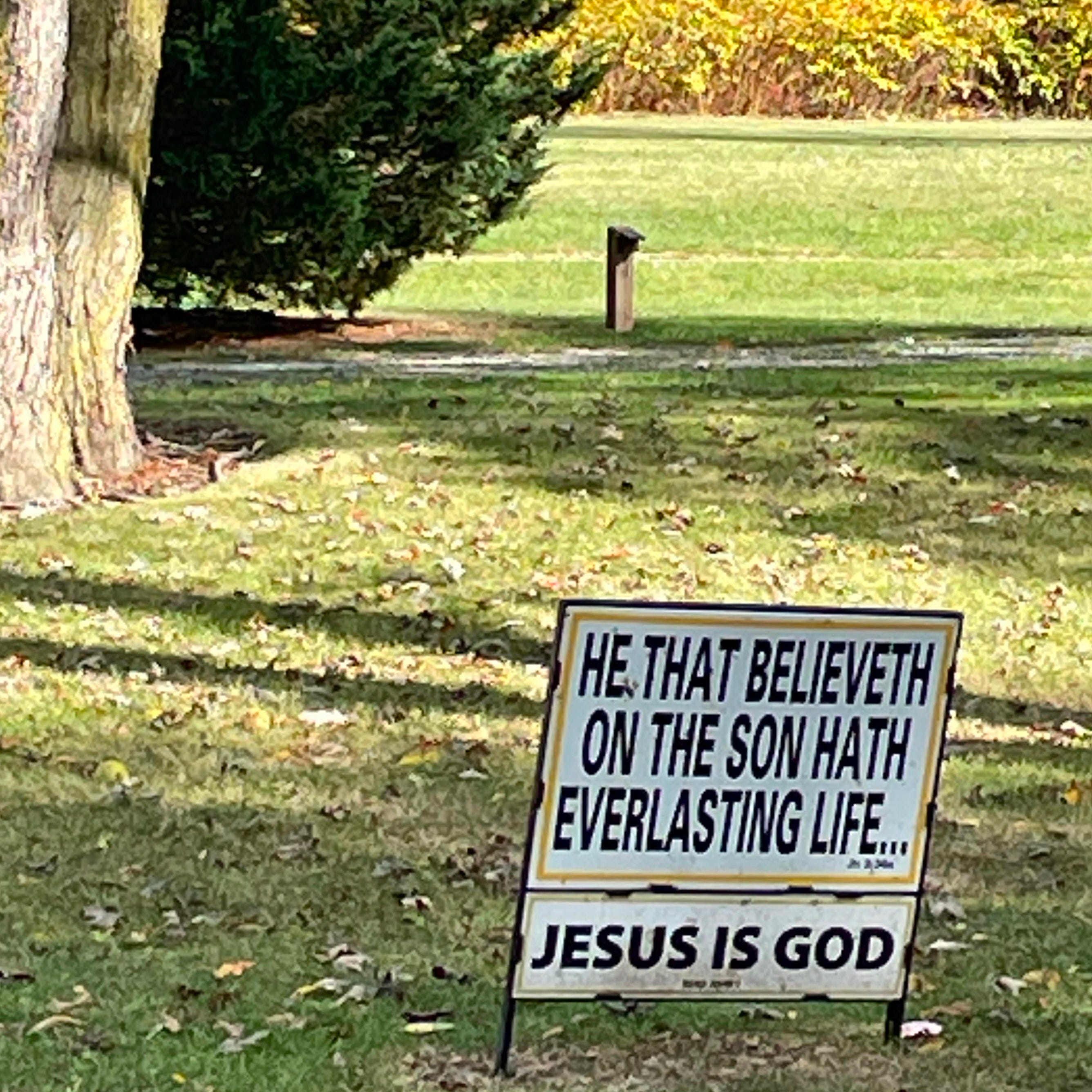
That understanding will be foundational to my life here, because this area is politically and economically mixed. Many residents of My Town have ties to the college as students, alumni, faculty, and staff; this population is generally left-leaning and economically secure. But some other townspeople, along with residents of the surrounding rural towns and farmlands, many of whom have been here for generations, are hurting economically. For them, the cost of living in this area, which seems low to me, is unsustainably high. It’s not surprising that the county, which voted narrowly Democratic in every presidential election from 1988 to 2016, swung to Trump in 2020 and 2024.
No longer can I assume that almost everyone I meet in my daily life will share my political views. I’m used to, and appreciate, the racial and ethnic diversity of cities like DC. But a largely white area where the divisions are educational and economic, and where there’s significant Trump support – that’s new to me.
Finding an activist community
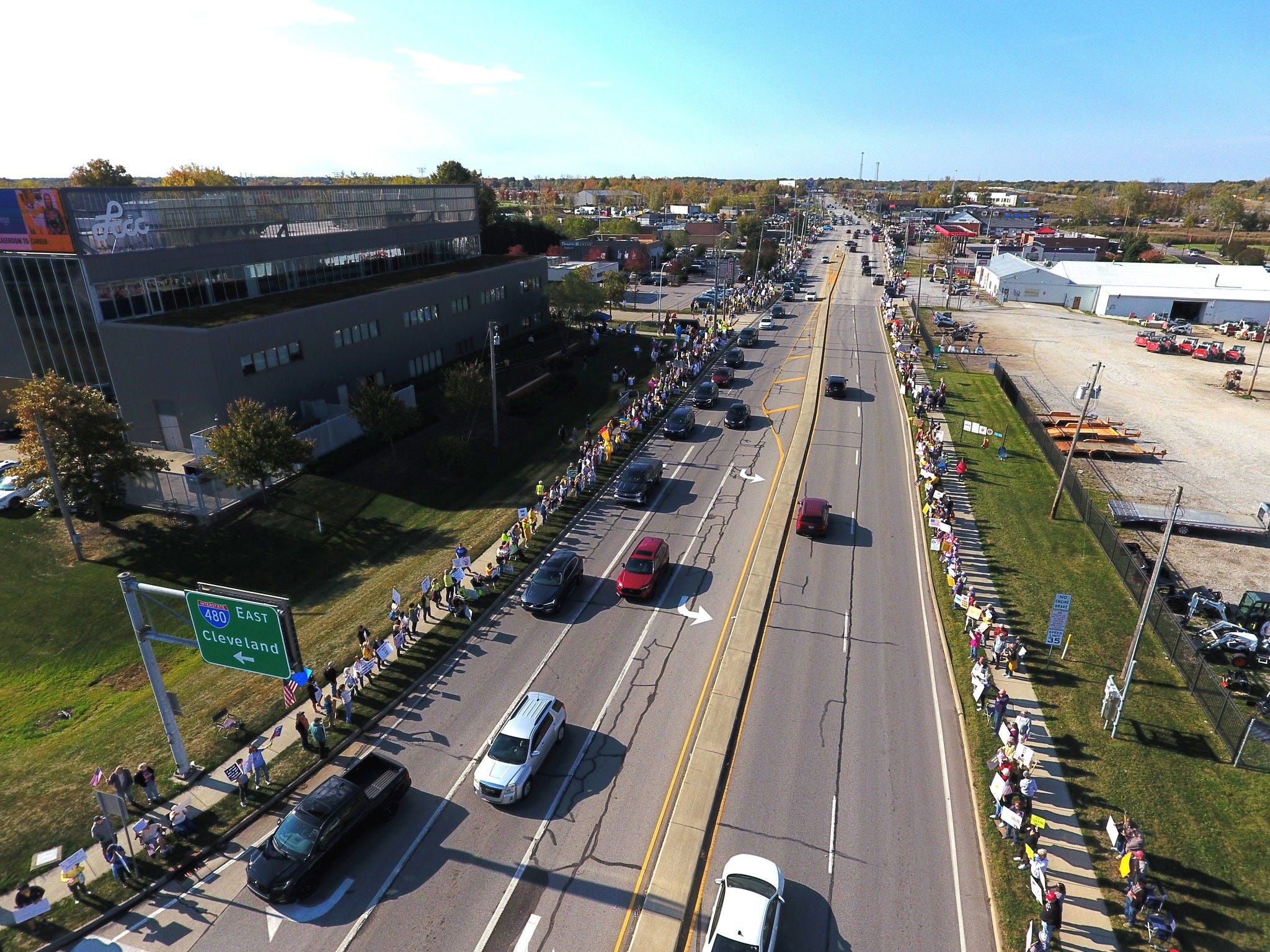
So it was exciting to drive to a nearby small city on No Kings Day, October 18, and find thousands of protestors lining both sides of a highway for a quarter mile. A cacophony of supportive honks and cheers came from traffic passing by.
It’s true that this protest, which drew people from across the county, was on the far outskirts of Cleveland, a blue city. But it’s also true that no state or county, whether red or blue, is monolithic. Here amid the cornfields, progressive politics is alive and well, if not exactly robust.
There are several local Democratic groups, including one known as Rural Dems; a town-based immigrant support group; and a countywide group that seeks to end gerrymandering and promote fair elections. I’ve been to two meetings in town so far, one on redistricting (a hot issue in Ohio right now) and the other on immigrant support and rapid response in case ICE shows up.
Last weekend I went canvassing in town with a friend, supporting a candidate for municipal judge who’s on the ballot in November. After years of driving to battleground states to knock on strangers’ doors, it was a new experience to canvass in a place where I live, among people who are – though I may not know them yet – my neighbors.
Real, yet not
Sometimes I feel like My Town is home. Sometimes I feel like I’m on an extended vacation in an Airbnb. My brain hasn’t quite figured it out. I like it here, and I’m confident the change will be good for both Bill and me. Yet when I close my eyes and picture DC – my Mt. Pleasant neighborhood, the blocks I walked every day for almost half a century, the people I’ve known for years or decades – it doesn’t feel like just a memory. It feels physical, like a part of my body. It feels inseparable from who I am and always will be.
Is this how immigrants feel when they leave their countries? I wonder if, like many recent immigrants, I will need to stay connected to both places, lest I lose a part of myself.
The moment it began to seem real wasn’t when we unloaded the moving van, or when I changed my address, or when I got my Ohio driver’s license or registered to vote here. It was this:
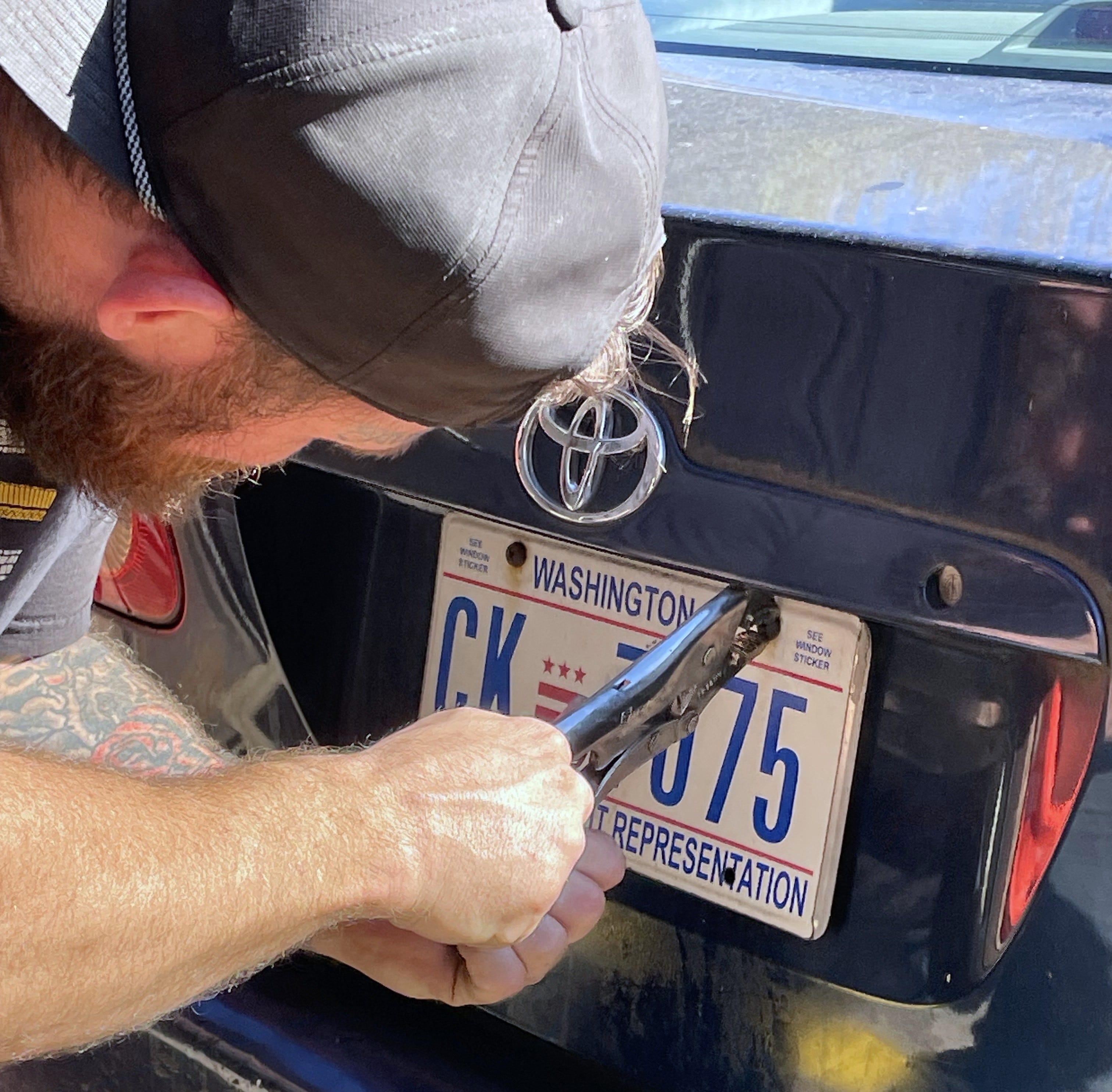
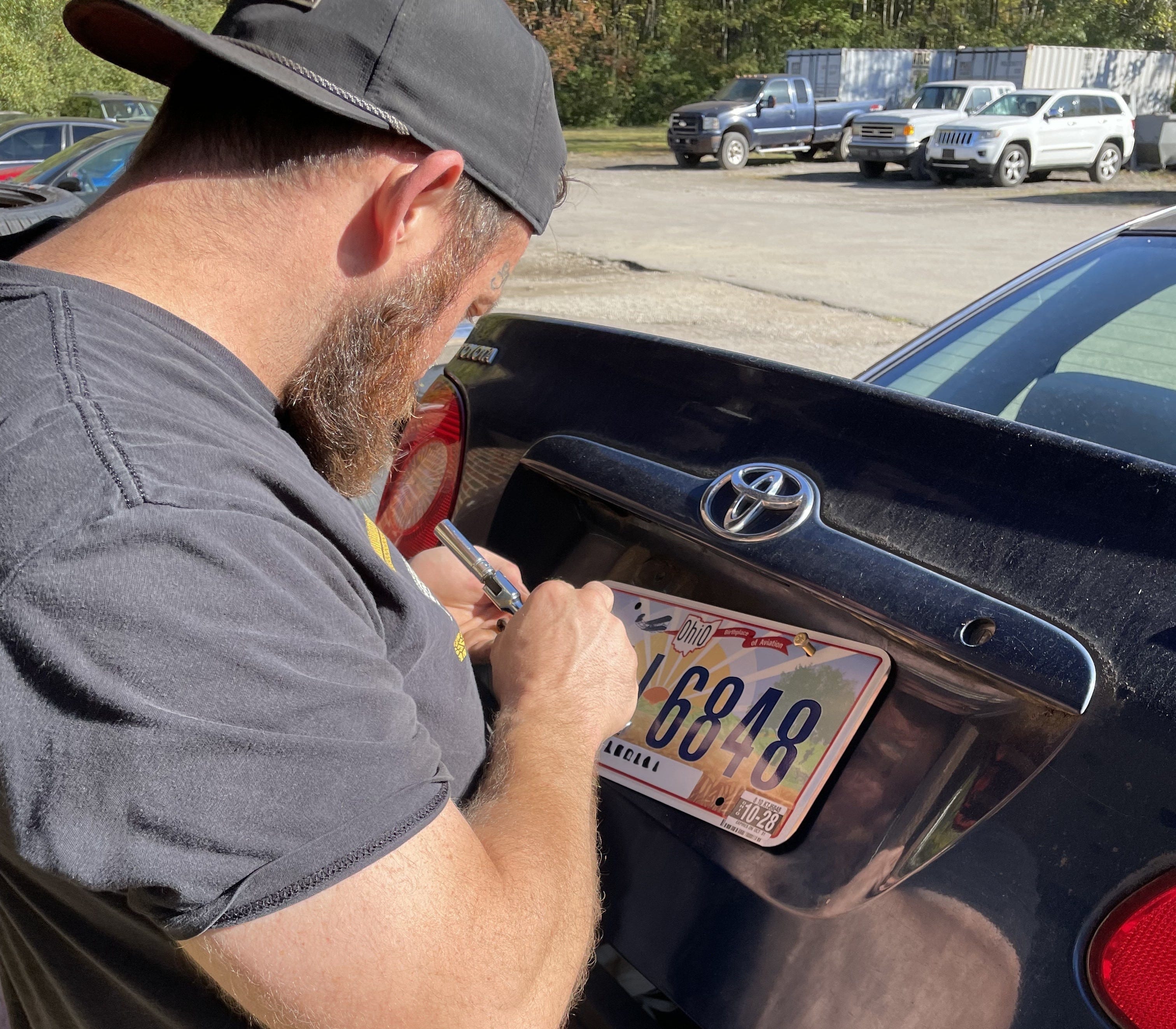
I don’t know what our car thought about its new Ohio identity. For me, it felt like a point of no return. But return we will. We’ll be in DC for 10 days in November to tie up loose ends and reconnect with friends. After that, Bill will fly to the African Studies Association meeting in Atlanta and I’ll fly back here. I’ll see if it feels like coming home.